You Shouldn’t Have to Leave Your Own Dinner Table.
‘Let me check on the kitchen.’ Sometimes what you mean is: ‘I need to stand up for a minute.’ You made the evening. You want to enjoy it, too.
Your free guide: A printable Dinner-Table Card with four small steps to help you describe the discomfort that interrupts the meal.
Already have your guide? Watch the full presentation
Before the coffee is poured
- Before dinner
The good dress fits comfortably. You bring a cardigan, partly for the weather and partly because you’ve learned what changes after the meal.
- At the table
The stories start. So does the pressure. You adjust the waistband under the tablecloth, then offer to clear the dishes before anyone else is ready.
- In the kitchen
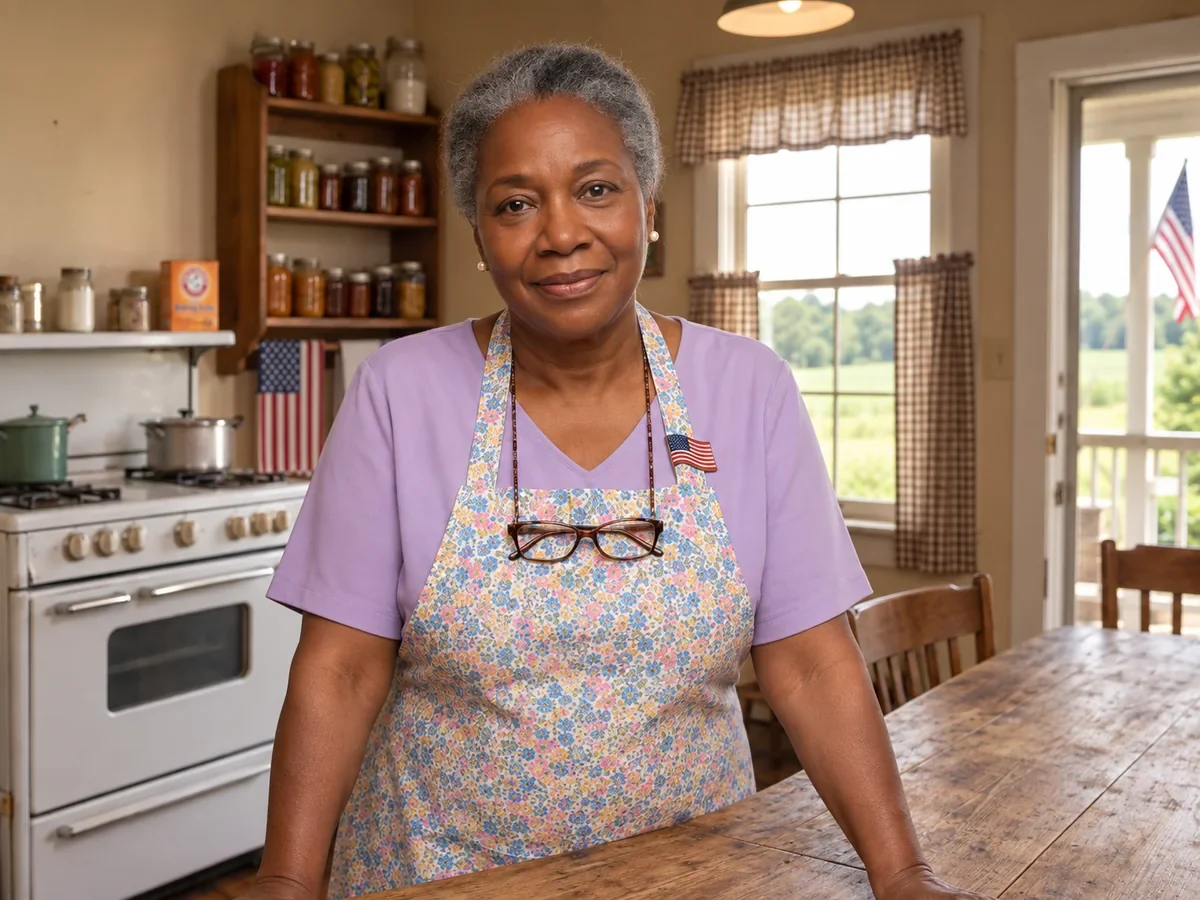
Standing feels easier. From the next room, you hear the laugh you wanted to be there for. Nobody knows that ‘checking on the kitchen’ was a way to get comfortable.
This scene is illustrative, not a customer testimonial.
You want to stay for the evening you brought together.
You don’t need to fit a dress from twenty years ago. You want to sit through the meal without watching for the first chance to stand.
It’s easy to call it age or take a smaller plate and keep quiet. Neither explains the discomfort that has been interrupting the table.
Comfort belongs at your table, too.
Start with what happens after the meal.
You do not have to ask the whole family to change dinner before you have described the concern.
A short note about the meal, the timing and the pressure gives you something concrete to discuss. Persistent discomfort is worth asking about rather than simply explaining away as age.
The Dinner-Table Card
Four plain steps, in order. Keep the card wherever it is easy to find before the next meal.
Use the steps that help. Your card is ready to keep or print, and the product presentation is available whenever you’re ready.
Your card is ready to keep. Use it as a reminder, not a score or a diagnosis.
Ask a clinician about recurring or worsening digestive discomfort. Severe or persistent abdominal pain, blood in the stool, vomiting, fever or unexplained weight loss need prompt medical attention. Do not wait to finish a guide or try a product before seeking care.
Your card is yours to keep. The full presentation is your next step.
CONTINUE TO THE PRESENTATION‘Just my age’ does not describe the whole pattern.
Bloating, fullness and abdominal pressure can have different contributors. Meal timing, pace, constipation and health conditions may be relevant. Your card helps describe the experience; it does not identify the cause.
You have made room for everyone else at the table. You can ask for help with your own comfort, too.
With care,
The CHL Editorial DeskConsumer Health Ledger · Reader education